Innovation in the Knitting IndustryThe knitting industry is undergoing a transformation, with intelligence and sustainability shaping the future. Currently, the field of sweater weaving is experiencing a profound change. The integration of technological innovation and environmental protection concepts is driving this industry to constantly surpass itself and move towards a broader future.

The core of this innovation lies in the significant breakthroughs in digital and intelligent technologies, which have injected new vitality into traditional weaving techniques; while the continuous progress of green and environmentally friendly materials simultaneously meets consumers' dual demands for environmental protection and high quality.
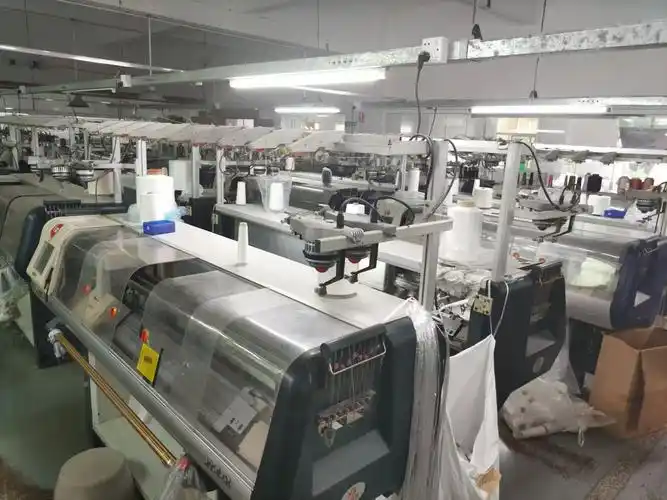
The application of intelligent technologiesUnderstanding these new trends not only helps enterprises grasp the market pulse, but also enables consumers to experience more personalized and environmentally friendly knitted products. First of all, the breakthrough in intelligent weaving technology has brought about a leap in garment manufacturing efficiency and accuracy. For instance, the CMS530 multi-needle distance loom launched by the German company STOLL can achieve a high-precision 0.5-millimeter three-dimensional weaving, automatically generating complex ribbed patterns, and significantly shortening the cycle from design to production. In China, Jack Manufacturing's AI pattern design system can automatically generate 3D weaving instructions by uploading images, with an error rate of less than 2%, greatly enhancing the design efficiency.
 The development of green materials
Furthermore, green sustainable materials are increasingly favored by the industry. In 2024, the International Wool Producers Council launched the TraceMyWool program, which uses blockchain technology to trace the origin of wool and ensure the environmental friendliness and transparency of yarn. In the high-end knitwear sector, ECONYL recycled nylon fibers are highly regarded for their excellent elasticity and environmental characteristics, leading to a significant increase in market demand.
Case AnalysisBreakthrough in Intelligent Weaving TechnologyIn terms of digital process management, numerous excellent cases have emerged within the industry. For instance, the MES weaving execution system adopted by Baoyi Bird Group enables monitoring of the entire process from design to warehouse dispatch, enhancing the transparency and automation level of the production环节. Meanwhile, the cloud platform of Japanese Shima Seiki supports designers in remotely uploading patterns and real-time monitoring of production progress, further improving the flexibility and efficiency of the process.
◉
The Use of Green Sustainable MaterialsFor consumers, the customized experience is gradually becoming a new trend in the industry. Dongri Group has launched the "3D measurement + AI recommendation" service, allowing users to easily obtain personalized pattern suggestions and enhancing interactivity and shopping experience. At the 2024 China International Knitting Exhibition, a remarkable innovative technology was showcased: Consumers can simply sketch their ideas on the touch screen and immediately turn them into real fabrics. This technology not only brings consumers an unprecedented design experience but also brings users closer to the products, deeply satisfying modern consumers' pursuit of individualization and interactivity.
◉
Innovation in Digital Process ManagementIndustry data also demonstrates the strong momentum of these new trends. According to the report of the China Knitting Industry Association, the number of CNC looms in 2023 increased significantly, reaching 820,000 units, with a growth rate of 11%. At the same time, the market for pattern design software is also expected to exceed 5 billion yuan in 2025, with an annual growth rate of 18%. These figures not only reflect the industry's urgent need for intelligent equipment and digital tools, but also indicate that the intelligent weaving ecosystem will gradually become the mainstream of the industry in the future. 03
Consumer Experience and Industry Trends
◉
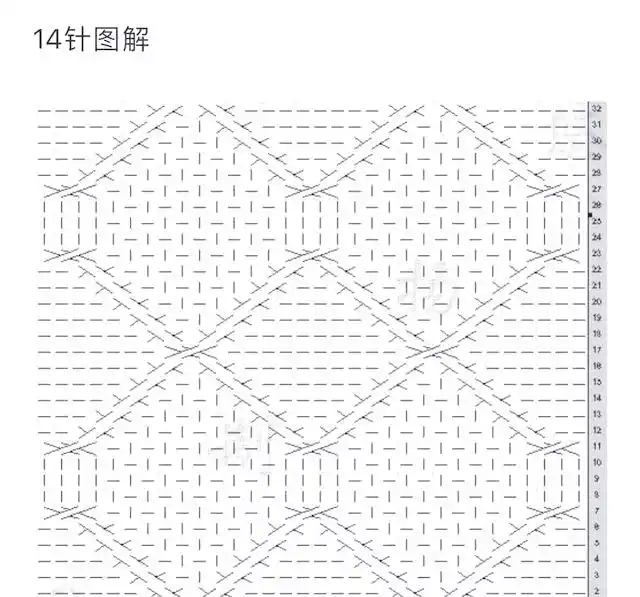
Personalized Customization ServicesLooking ahead, there are several key points that the industry should seriously consider. Firstly, how to transform the traditional embroidery technique into machine-understandable "needlework instructions" is the key to achieving a perfect combination of technology and craftsmanship. Secondly, the tension control of different yarn materials during the machine weaving process will directly affect the quality of the finished product, so it is particularly important to master the key parameters. Finally, promoting the seamless connection between consumer DIY design and industrial production to meet personalized needs and achieve large-scale manufacturing is an important bridge. Through an intelligent platform, integrating personal creativity into the production line quickly will undoubtedly become an important direction for future development.
◉
Industry Data and Future TrendsIn conclusion, the future of sweater knitting will be a world where technology and art deeply blend, and environmental protection and efficiency coexist. If enterprises can fully utilize technological innovation and green concepts, they will be able to stand out in this transformation and lead the industry trend. The transformation of the industry not only means upgrading tools, but also means a shift in thinking - from craftsmanship to digitalization, from manufacturing to experience, from large-scale production to personalized. This transformation will enable us to weave a more colorful, diverse and sustainable knitted world, making each sweater a witness to innovation and care.