Future Trends in the Sweater MarketAs winter approaches, the purchasing trends in the sweater market are quietly changing. Nowadays, when consumers choose sweaters, their focus is no longer solely on traditional warmth retention and appearance design, but rather on the forward-thinking and sustainability of material selection, as well as potential technological applications. Taking into account current market trends and customer demands, it is evident that sweaters in the future will not merely serve the single function of keeping warm; they will also symbolize the perfect combination of environmental protection, intelligence, and fashion.
The significance of environmentally friendly materials
Firstly, sustainable materials have become a new trend in the industry. As consumers' demand for eco-friendly materials increases, the sales of sweaters containing recycled wool have significantly risen, demonstrating the importance of eco-friendly materials in the market and their potential for future development. According to the 2023 report of the Global Textile Exchange, the sales of sweaters containing recycled wool have soared by 40% compared to the same period last year, reflecting the growing preference and demand for eco-friendly materials among consumers.
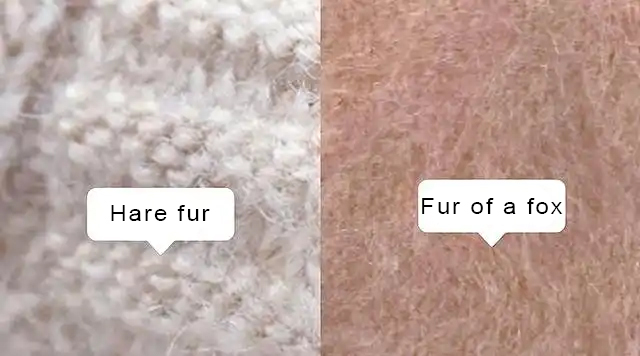
For instance, the ReWool series from the brand Everlane is a prime example. It is made by blending 50% recycled wool with organic cotton. Not only does it retain the classic cable pattern of sweaters, but it also reduces the weight by 30%, providing a more comfortable wearing experience for the wearer. The domestic brand ICICLE Shihe also actively responds to the environmental trend. Their recently launched yak wool sweater is a good example. This sweater has a unique selection of raw materials, with its hair loss rate being as much as 75% lower than that of ordinary rabbit hair, significantly enhancing the comfort and durability of wearing.
 The application of intelligent technology
Multiple brands have enhanced the warmth and comfort of sweaters through intelligent temperature control technology and new material innovations, demonstrating the effective application of intelligent technology in improving product functionality and user experience. In the autumn and winter of 2023, Uniqlo innovated its HEATTECH series, incorporating hollow fiber structure technology. This innovative technology increased the warmth of the sweaters by over 20%, while reducing their weight by approximately one-third. Such a breakthrough enables professionals to easily achieve layering without looking bulky, perfectly adapting to the frequent transitions between indoor and outdoor environments in modern life.
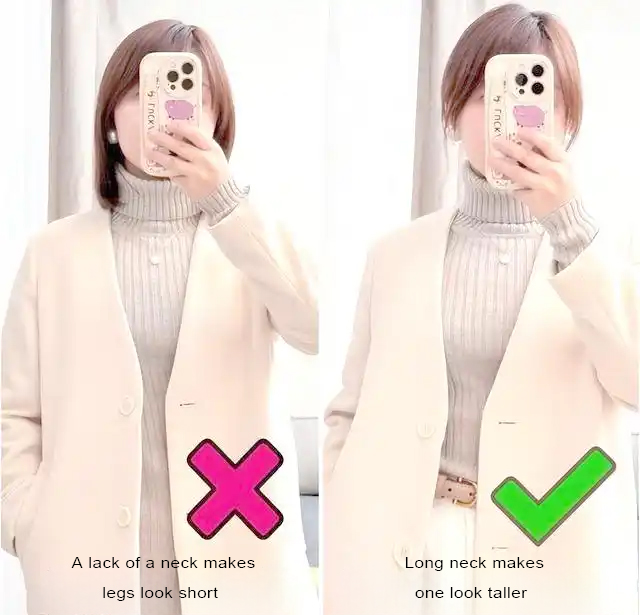
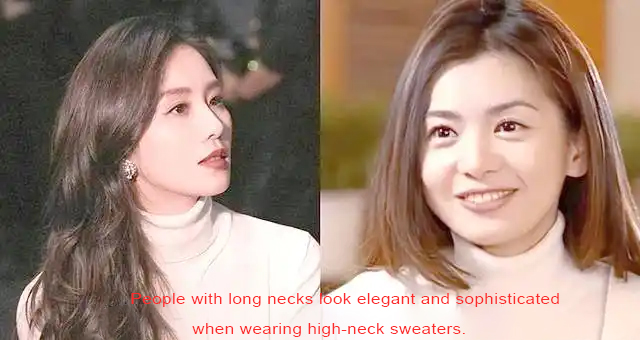
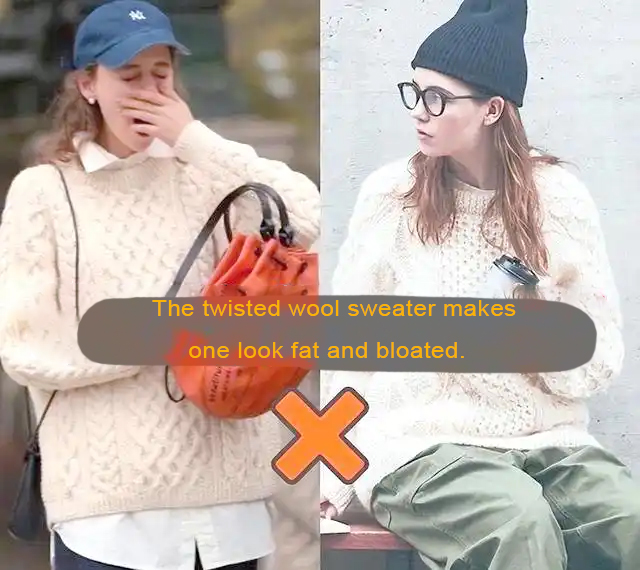
Compared to traditional heavy sweaters, the intelligent temperature control technology offers consumers a lighter and more efficient wearing experience, fully satisfying their dual desires for "lightness and warmth". After actual wearing tests, it was found that the pattern design of this sweater can effectively reduce the visual width of the shoulders by 3-5 centimeters, thus successfully avoiding the "bulky feeling" often seen in traditional twisted yarn sweaters.
 Design innovation and practical combination
The new designers, through modifying the patterns and selecting materials, combined eco-friendly materials with innovative designs to create sweaters that are both practical and fashionable, meeting the aesthetic and needs of modern consumers. Take Studio Nicholson as an example, its "architectural textured sweater" ingeniously utilized the diagonal line design, thereby visually achieving the unique effect of widening the shoulder line and narrowing the waist line. At the same time, its partial textured design was ingenious, covering an area of no more than 30%, and combined with the diagonal ribbing support, not only significantly enhanced the shaping effect, but also maintained the overall simplicity and three-dimensionality.
In terms of material selection and fabric type, it is recommended to prefer environmentally friendly materials such as recycled wool (thermal insulation coefficient 4.5) or yak wool (shedding rate < 5%), to avoid the shedding problems that may arise from using pure rabbit fur or low-end materials. The latter can shed up to 60% or more, seriously affecting the wearing experience.
 Changes in consumer demand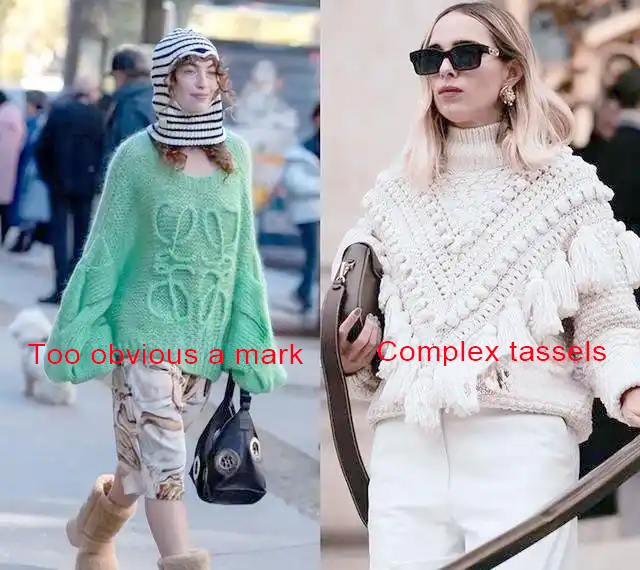
Consumers are more concerned about the actual wearing experience of sweaters rather than just their appearance design, which is driving the market towards a more practical direction. According to a survey, consumers are paying increasing attention to the "practicality" of sweaters, with the growth reaching 28%, which even exceeds their fondness for "design sense". This indicates that the current market trend no longer merely focuses on the ornamental beauty of sweaters, but rather values their practicality in daily wear, such as warmth retention, ease of wearing, and durability.

Overall, the sweater market in 2024 is undergoing an innovation and upgrade driven by eco-friendly materials, intelligent technology, and creative design. These changes not only align with modern consumers' desire for high-quality life, but also push the entire industry towards a sustainable and intelligent development direction. Looking ahead, sweaters will become a fusion of technology and aesthetics, with every detail carrying deep care and the spirit of continuous innovation. Purchasing sweaters is not just about obtaining warmth, but also a visionary investment in the quality of future life.