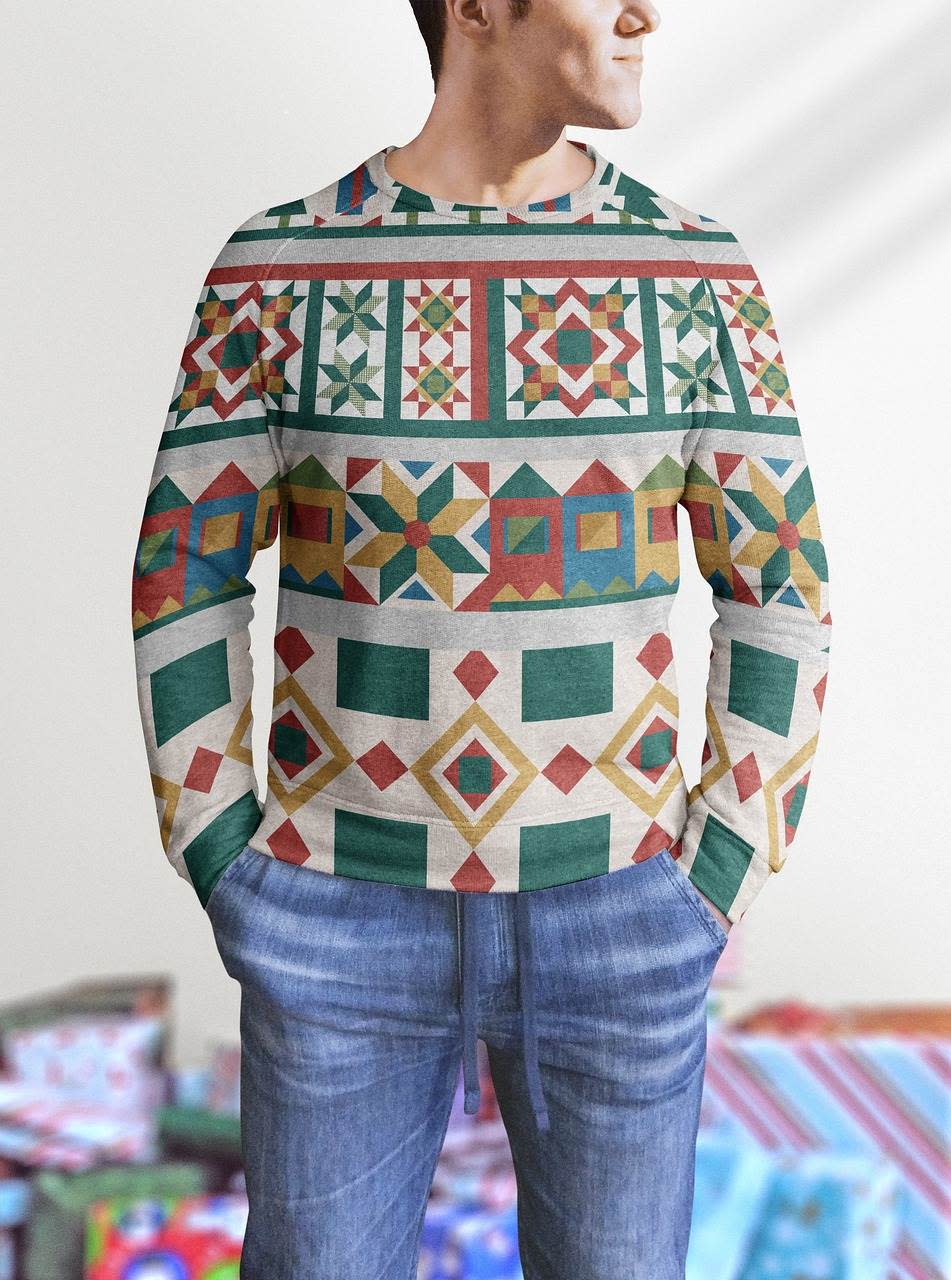
In time for Christmas, the Ugly Christmas Sweater has long been an indispensable "fun wear", from unpopular to global popularity, through decades of cultural change, and eventually become a beloved holiday tradition, here's how it became popular.

Origin: From "Jingle sweaters" to holiday pieces
The history of Christmas Sweaters dates back to the 1950s, when they were known as "Jingle Bell Sweaters," understated sweaters that were worn mainly as part of holiday outfits. However, it wasn't until the 1980s that the knitwear made its mark in popular culture. Classic comedy films such as Crazy Christmas Vacation, featuring characters such as Clark Griswold, played by Givie Chase, made these cheesy but homey sweaters an important symbol of comedy and holiday vibe.
However, the popularity of the Christmas sweater in the 90s quickly waned, and it was even regarded as an "inappropriate and embarrassing garment", which ended up in the wardrobes of elderly relatives.

Turnaround: From embarrassment to cultural trends
In the early 2000s, ugly sweaters enjoyed a Renaissance. In the 2001 film Bridget Jones's Diary, Mark Darcy, played by Colin Firth, wore a reindeer sweater in a classic scene, which further promoted the acceptance of ugly sweaters. The first "Ugly Christmas Sweater Party" was held in Vancouver, Canada, in 2002, transforming the garment from an embarrassment of the past into a symbol of humor and fun.
With the rise of social media and the involvement of the fashion industry, ugly sweaters have gradually become more creative and attractive. Not only are affordable retailers offering holiday designs, but high-end brands are also launching luxury versions of Christmas sweaters, bringing this item into the mainstream fashion circle.
Modern Traditions: Global upsurges and cultural phenomena
In 2010, the British charity "Save the Children" founded the "Christmas Sweater Day", with the theme of ugly sweaters to raise money quickly resonated around the world. Since then, ugly sweaters have become a highlight of the holiday season, featuring snowmen, reindeer and jingling bells at everything from family gatherings to office parties. The popularity of ugly sweaters has been further reinforced by celebrity influence and the media.
Fun and Inclusion: The magic of ugly sweaters
The beauty of an ugly sweater is that it's inclusive. Regardless of age, gender or status, anyone can wear these sweaters to a party or game. The ugly sweater is a symbol of the holiday spirit, bringing each other closer in humor and laughter.