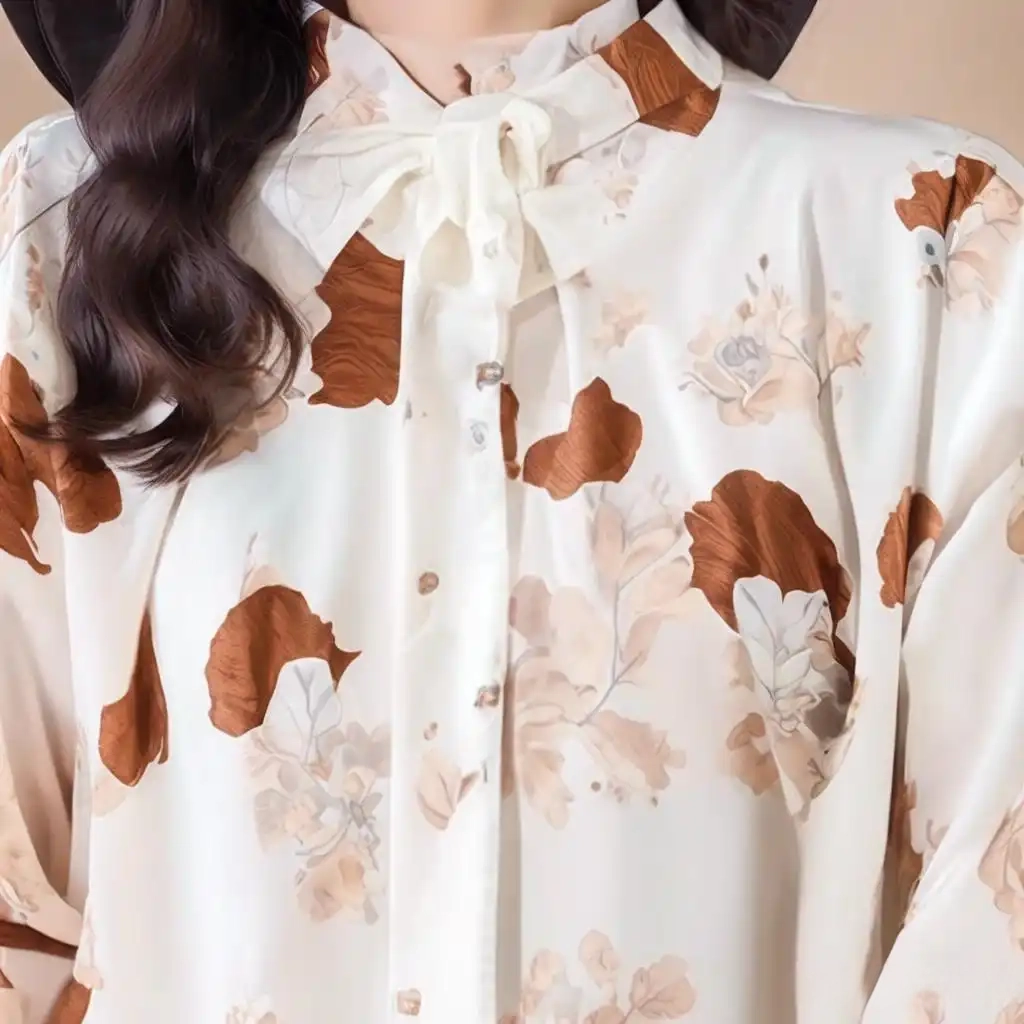
You know what? Silkworms are no longer just "natural eaters" of mulberry leaves. With the acceleration of the process of modern industrialization, a new type of "nibbling method" has quietly arisen - industrial sericulture!
Mulberry silk, as one of the oldest natural fibers in the world, has been known as the "queen of fibers" since ancient times and has won the favor of countless fashion people with its unique texture and elegant luster.
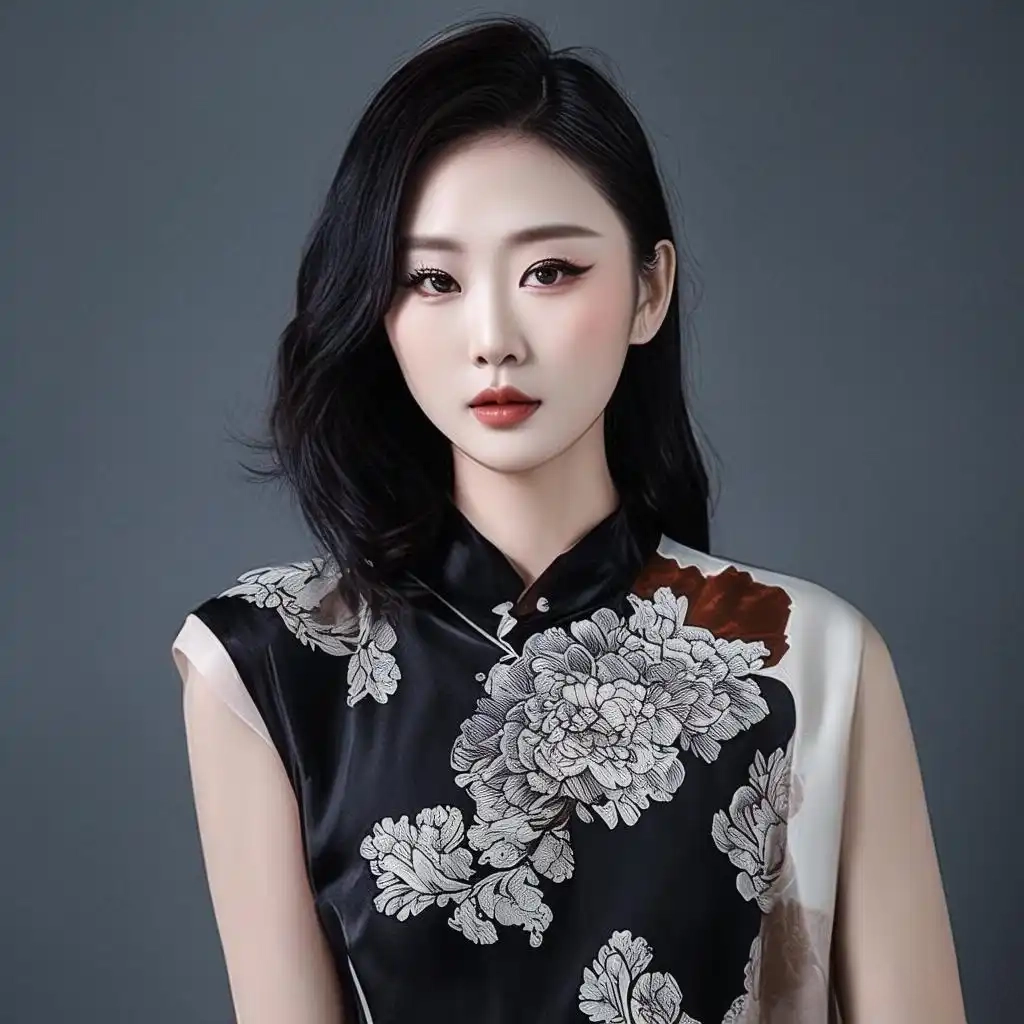
Silkworm silk is derived from the silk thread emitted by the larva of the silkworm, and is carefully produced by several processes such as sericulture, silk reeling and refining. The whole process is completely natural, no chemical additives, is a true green material. Each mulberry silk is composed of two monofilaments, the surface is smooth and rich in 18 kinds of amino acids, and has a good affinity for human skin.
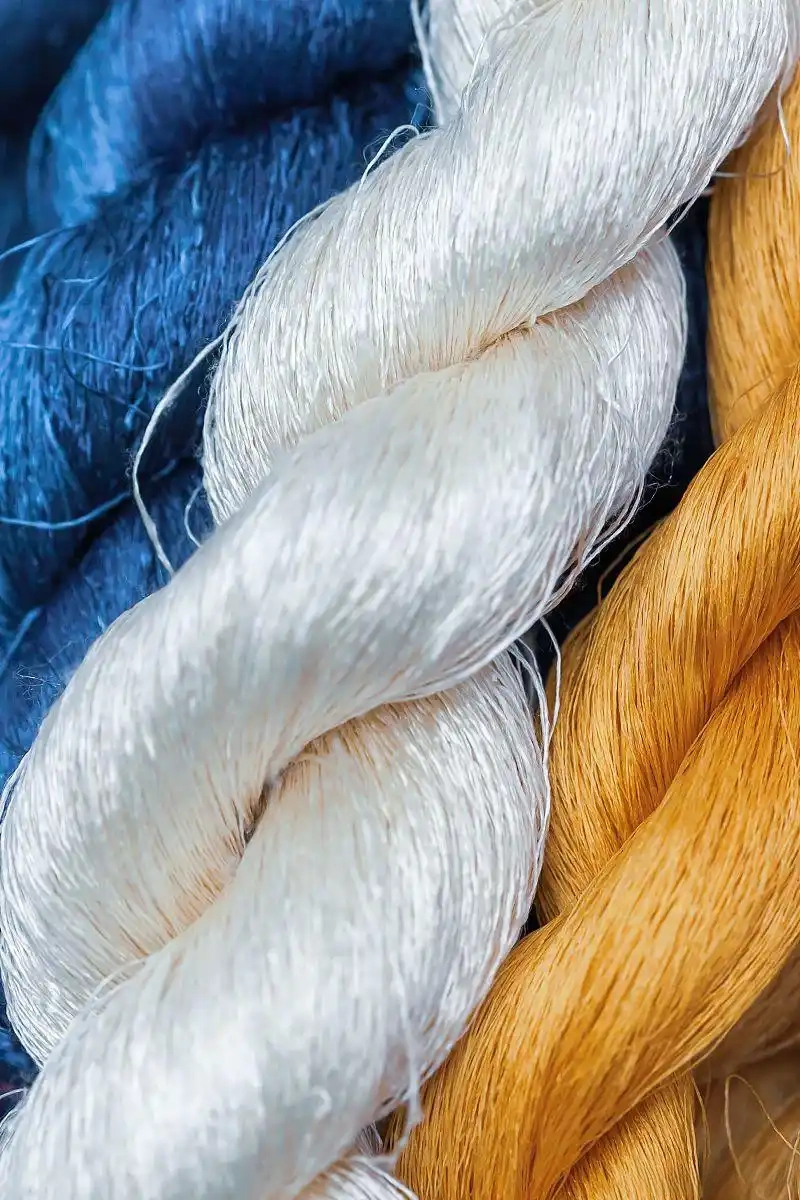
Silk is known as the "natural noble fiber" because it is not only light and soft, but also complicated to manufacture. The silk threads produced by silkworms are carefully processed to become the fabric we know as silk. To make one kilogram of silk, it takes about 2,500 to 3,000 silkworms to provide the cocoon.
With the increasing demand for silk products, traditional mulberry leaf farming has been unable to meet the market's thirst for silk, and industrial production has begun.
If we want to expand production, we must start from the source, if we want to expand aquaculture, we must start from the source, and food is necessary. As the natural food of silkworm, mulberry leaves contain rich nutrients and are the key to the quality of silkworm cocoons. Artificial feed, while increasing yield, has been questioned about its potential to affect the sheen and flexibility of silk. After all, silk is not just a "thread", it carries the weight of history and the charm of nature.
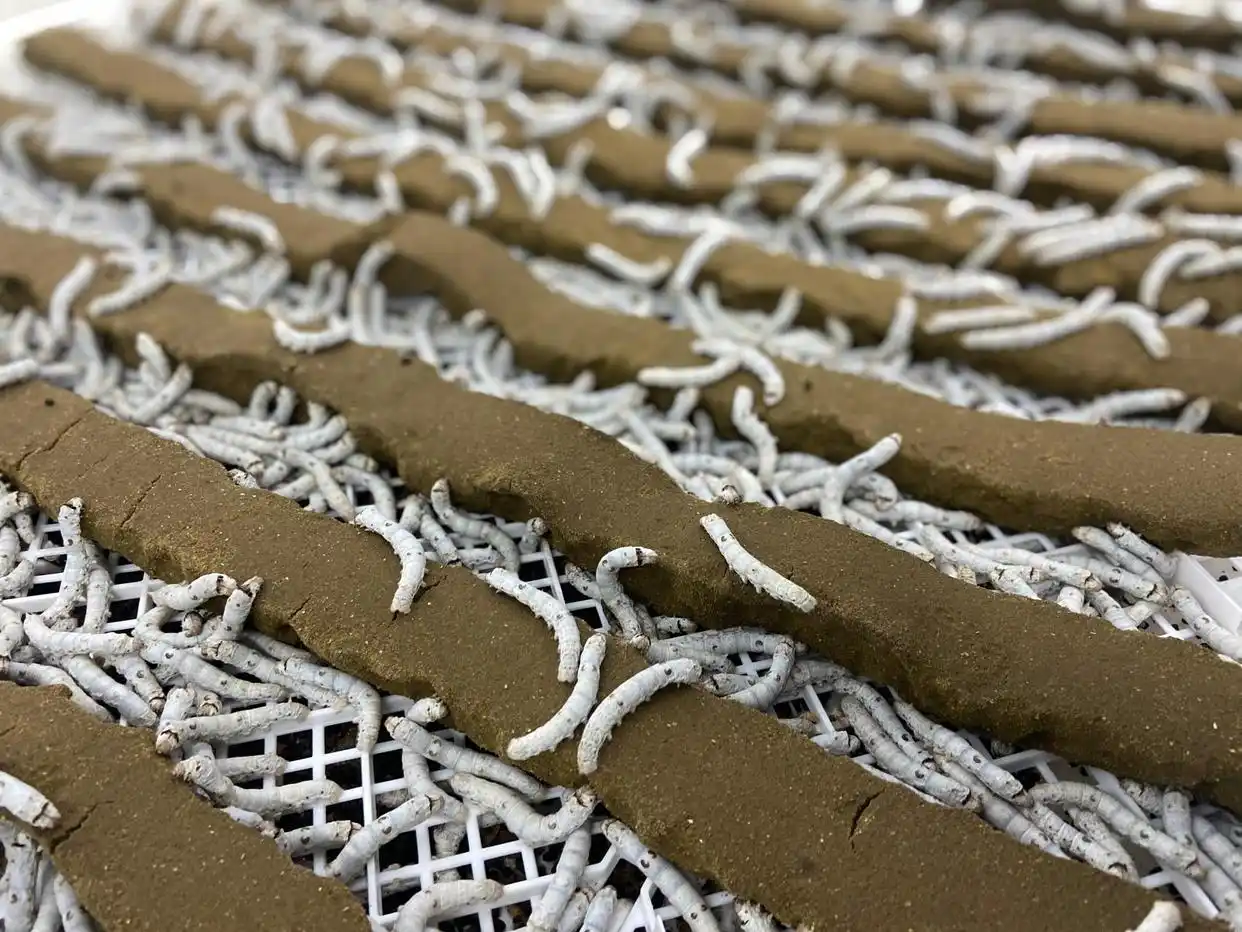
The production of artificial feed and the cultivation of silkworm eggs have gradually achieved large-scale management, and even some silkworm factories have introduced intelligent equipment to monitor the growing environment of silkworm. This not only improves production efficiency, but also reduces environmental pollution.
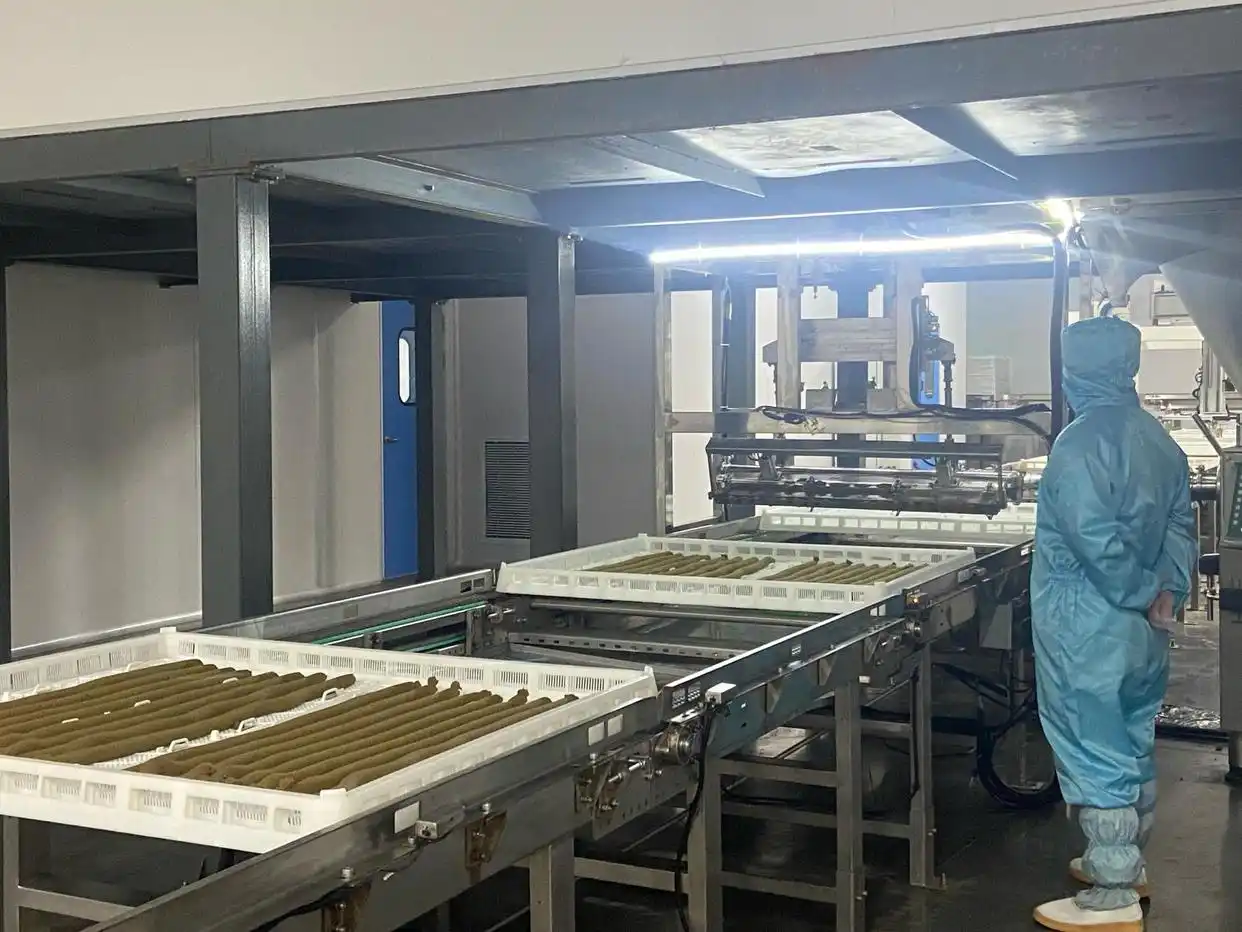
"The silkworms here do not eat mulberry leaves and eat 'biscuits'. The "biscuit" is mainly composed of soybean curd residue, corn flour, mulberry powder, complex vitamins and other ingredients. Silkworm babies of different ages eat different "biscuits".
Solve the problem of food, and the process of industrialization begins.
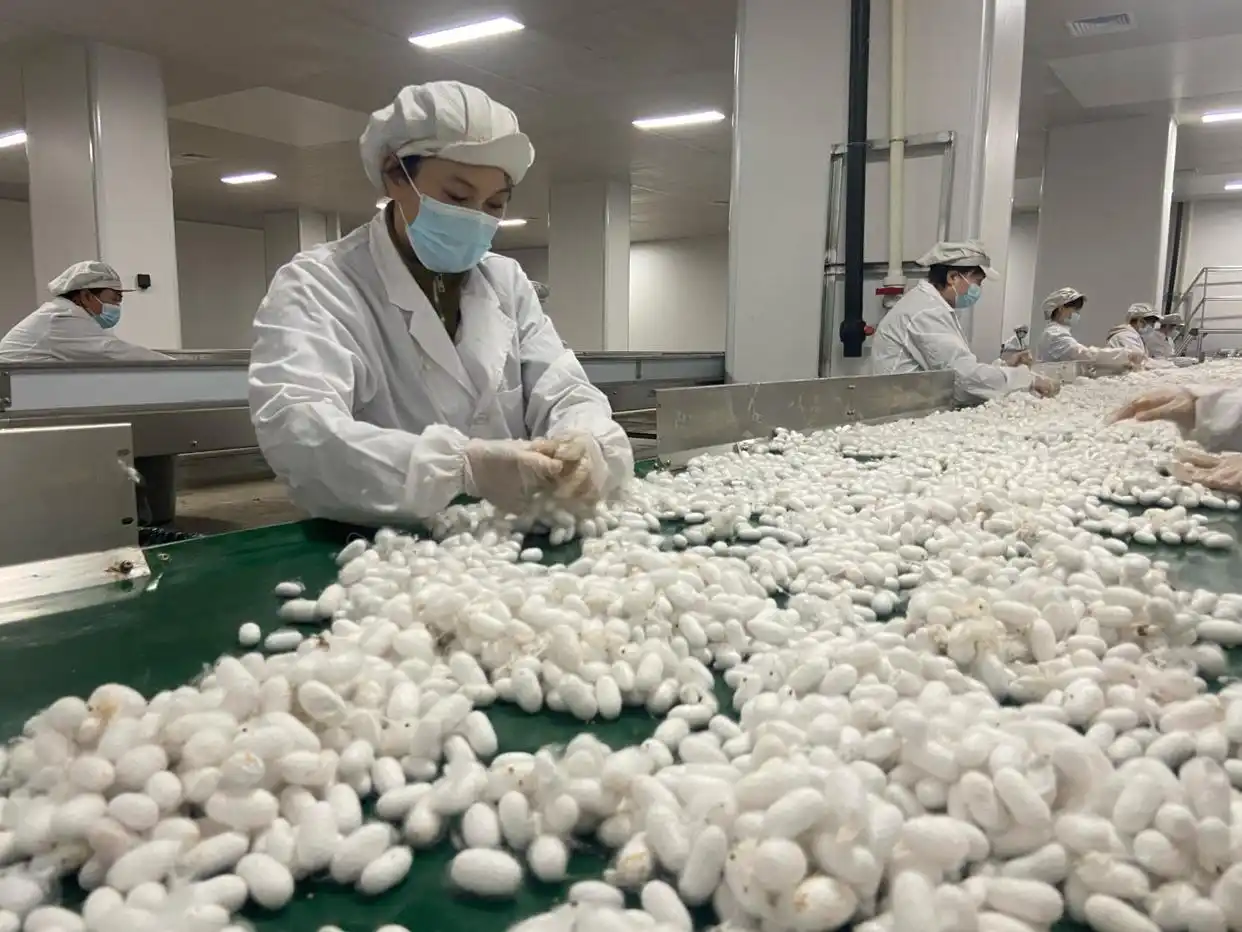
Mulberry silk is light and soft, delicate and smooth to the touch, and is known as "the second skin of the human body". Its good moisture absorption performance, so that the wearer can keep dry in the hot summer, winter can effectively lock the body temperature, to achieve moderate warm and cold.
Mulberry silk naturally exudes an elegant pearl luster, giving clothing a sense of class, whether plain or printed, can show a different gorgeous texture.
Good durability: Although mulberry silk fibers are slender and fragile, after scientific weaving, its clothing has higher strength and toughness, is not easy to tear, and its wrinkle resistance is better than natural fibers such as cotton and linen.
Skin care: Mulberry silk is rich in a variety of amino acids, which has a nourishing and moisturizing effect on the skin, helps to improve the skin microenvironment and reduce allergies. In addition, it has excellent UV resistance and can protect the skin from sun damage.